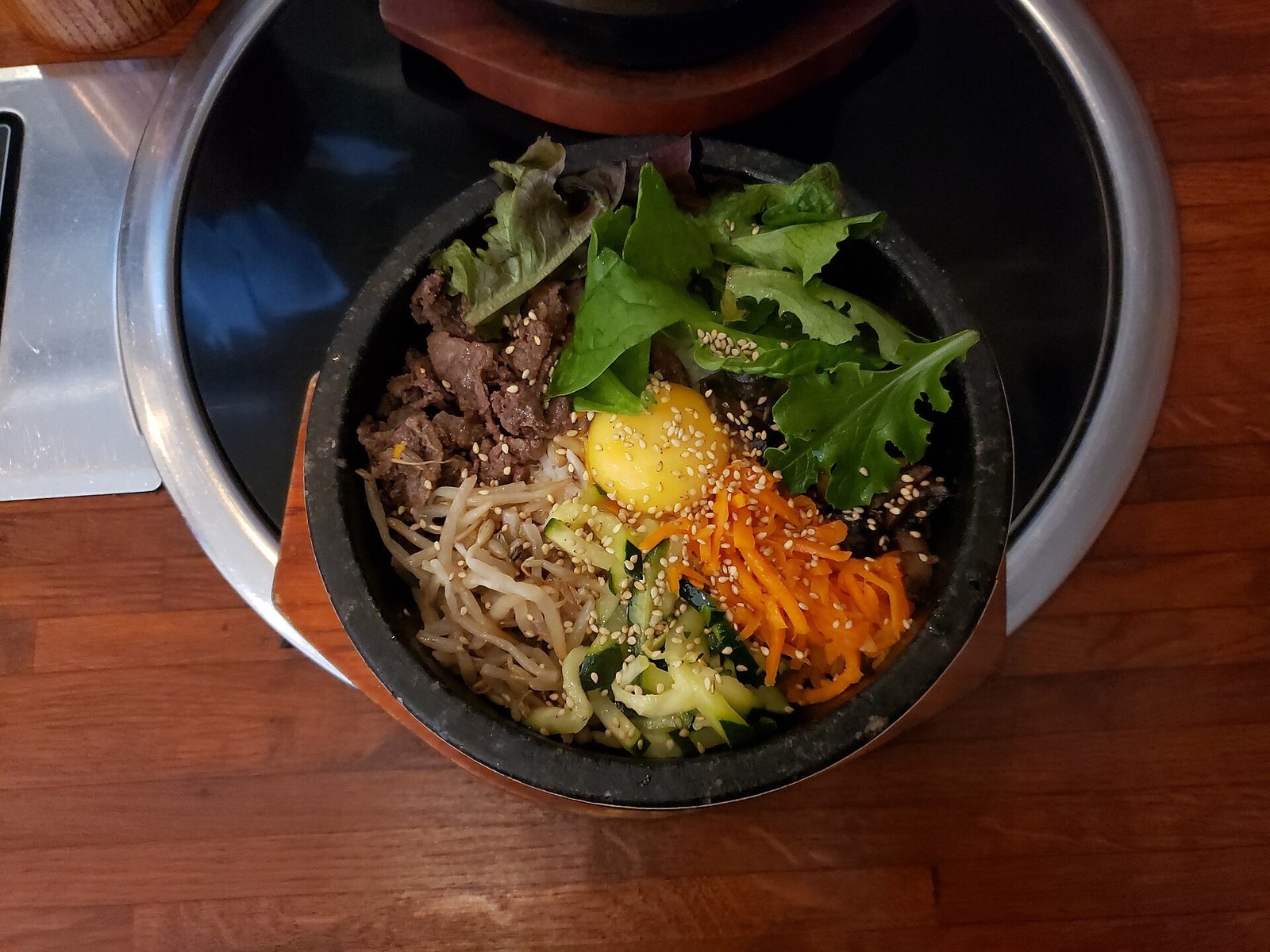
How to Add Korean Food to Your Restaurant Menu Without a Korean Chef
A practical guide for restaurants, cafés and franchises outside Korea that want to serve K-food: which dishes to start with, how to keep flavor consistent, and how sauce bases help.
Read →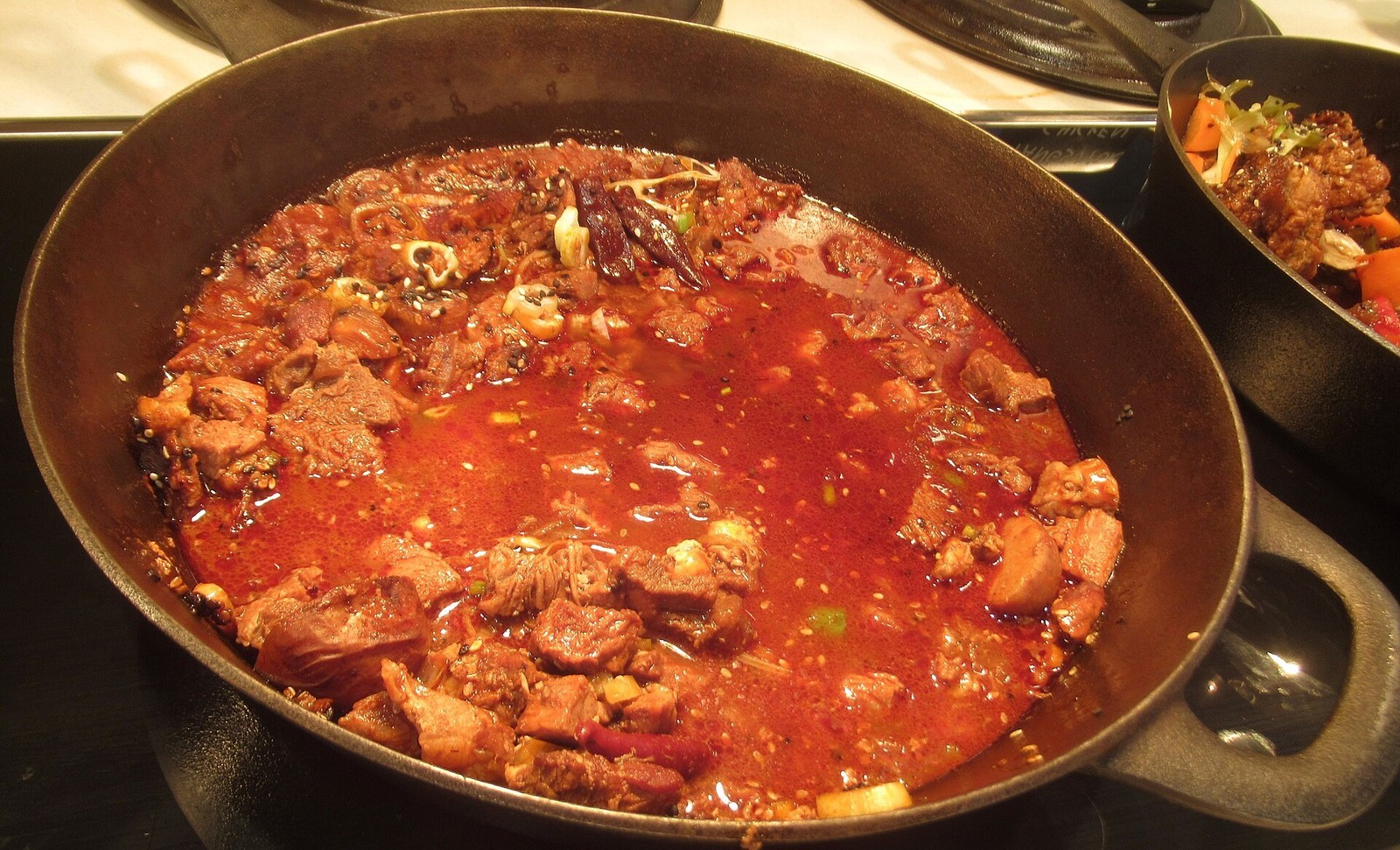
What Is a Korean Sauce Base? Gochujang, Doenjang and Ganjang Explained
Korean cooking is built on a few fermented pastes and sauces. Learn what gochujang, doenjang and ganjang are, and how ready-made Korean sauce bases simplify restaurant prep.
Read →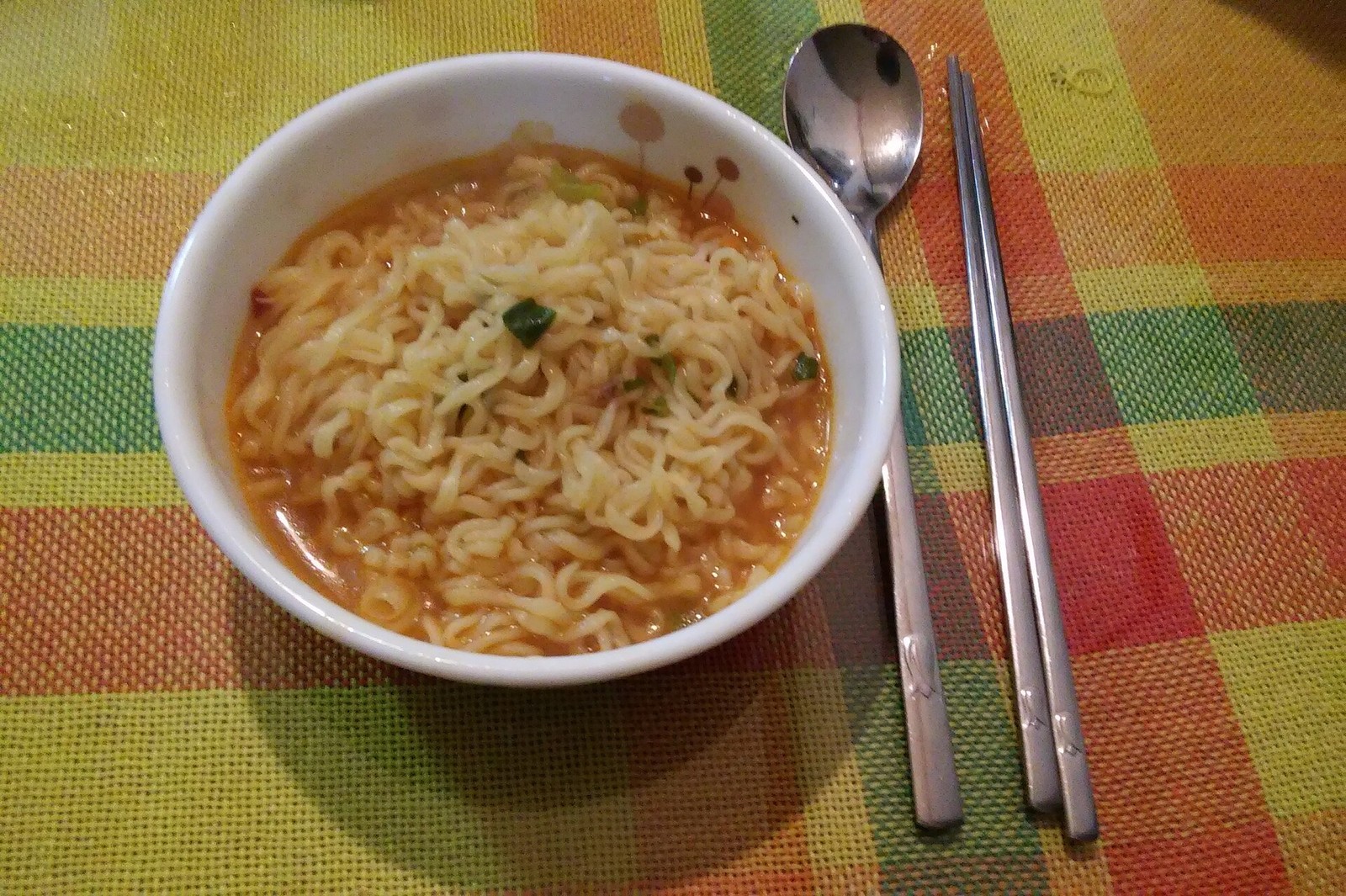
Korean Ramyeon Menu Ideas for Cafés, Lounges and Gaming Venues
Ramyeon is one of the easiest Korean dishes to add to a menu. Here are menu ideas — from cheese ramyeon to seafood jjamppong-style noodles — and tips for fast service.
Read →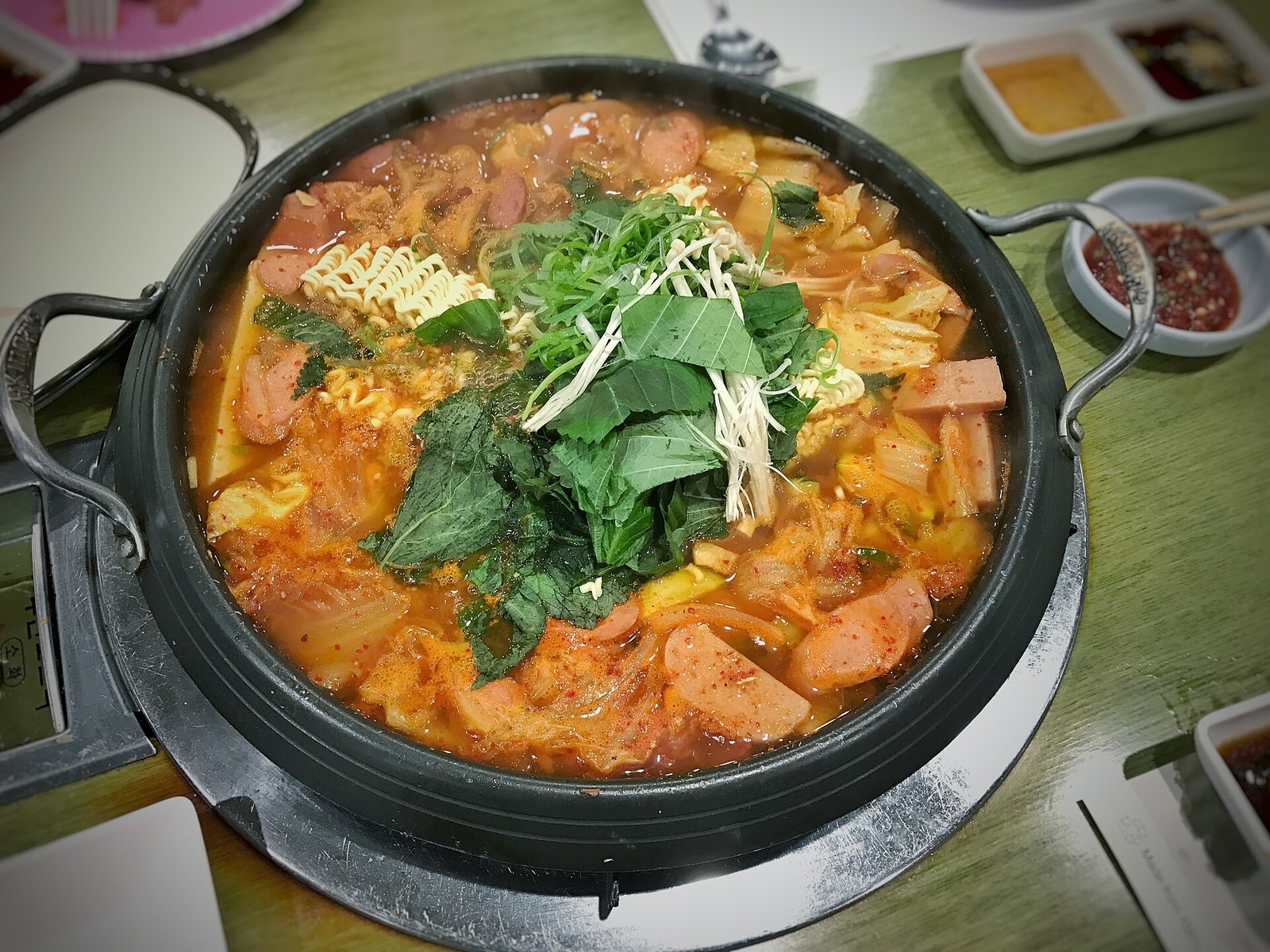
Budae-jjigae (Korean Army Stew): Origin and How to Serve It
Budae-jjigae is a hearty Korean stew with ham, sausage, noodles and a spicy broth. Learn its story and how restaurants can serve it consistently.
Read →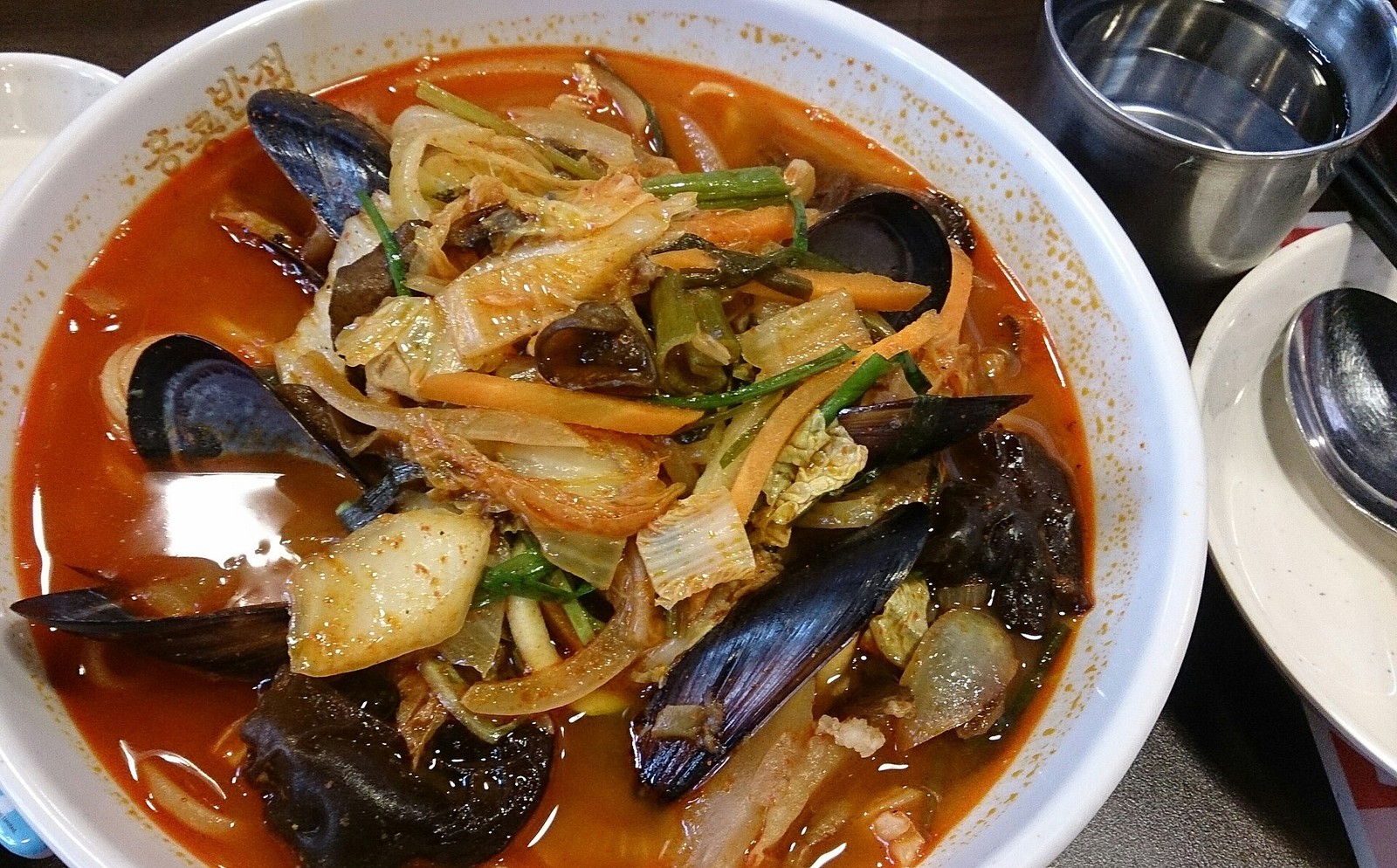
Jjamppong: A Restaurant Guide to Korea's Spicy Seafood Noodle Soup
Jjamppong is a spicy, smoky seafood noodle soup from Korean-Chinese cuisine. Here is how to build it for a restaurant kitchen with consistent results.
Read →
Sourcing Korean Food Ingredients for Restaurants Abroad: A Buyer's Checklist
Importing Korean sauces and ingredients for a restaurant or distribution business? Use this checklist covering suppliers, shelf life, labeling, MOQ and logistics.
Read →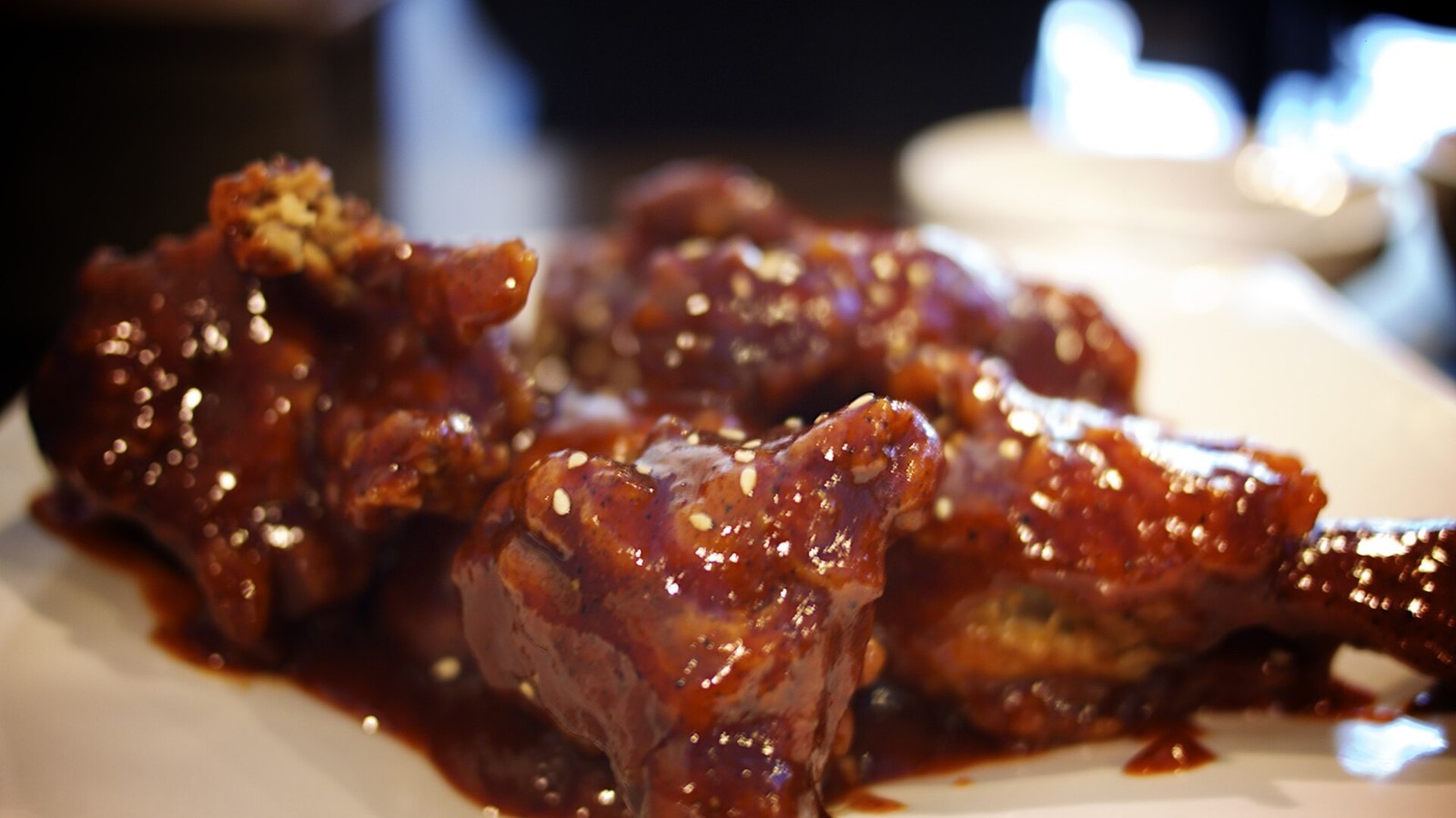
Korean Fried Chicken Sauces: Yangnyeom, Soy-Garlic and Honey-Butter
Korean fried chicken is famous for its crunch and its sauces. Learn the three most popular glazes and how to serve them consistently in a restaurant.
Read →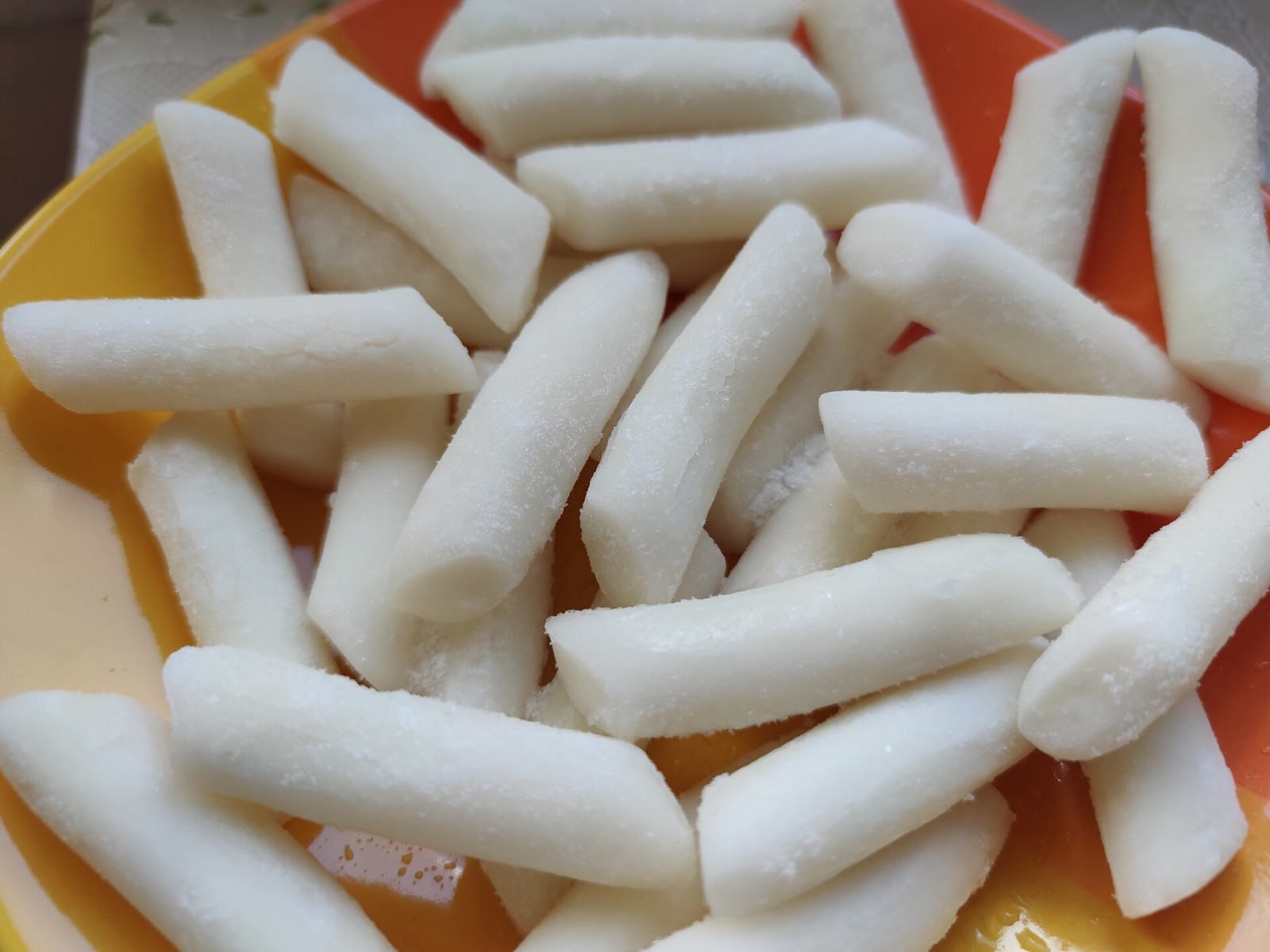
Tteokbokki for Foodservice: Rice Cakes, Sauce and Holding Tips
Tteokbokki — chewy rice cakes in a sweet-spicy sauce — is a top Korean street food. A practical guide to serving it in cafés, food courts and restaurants.
Read →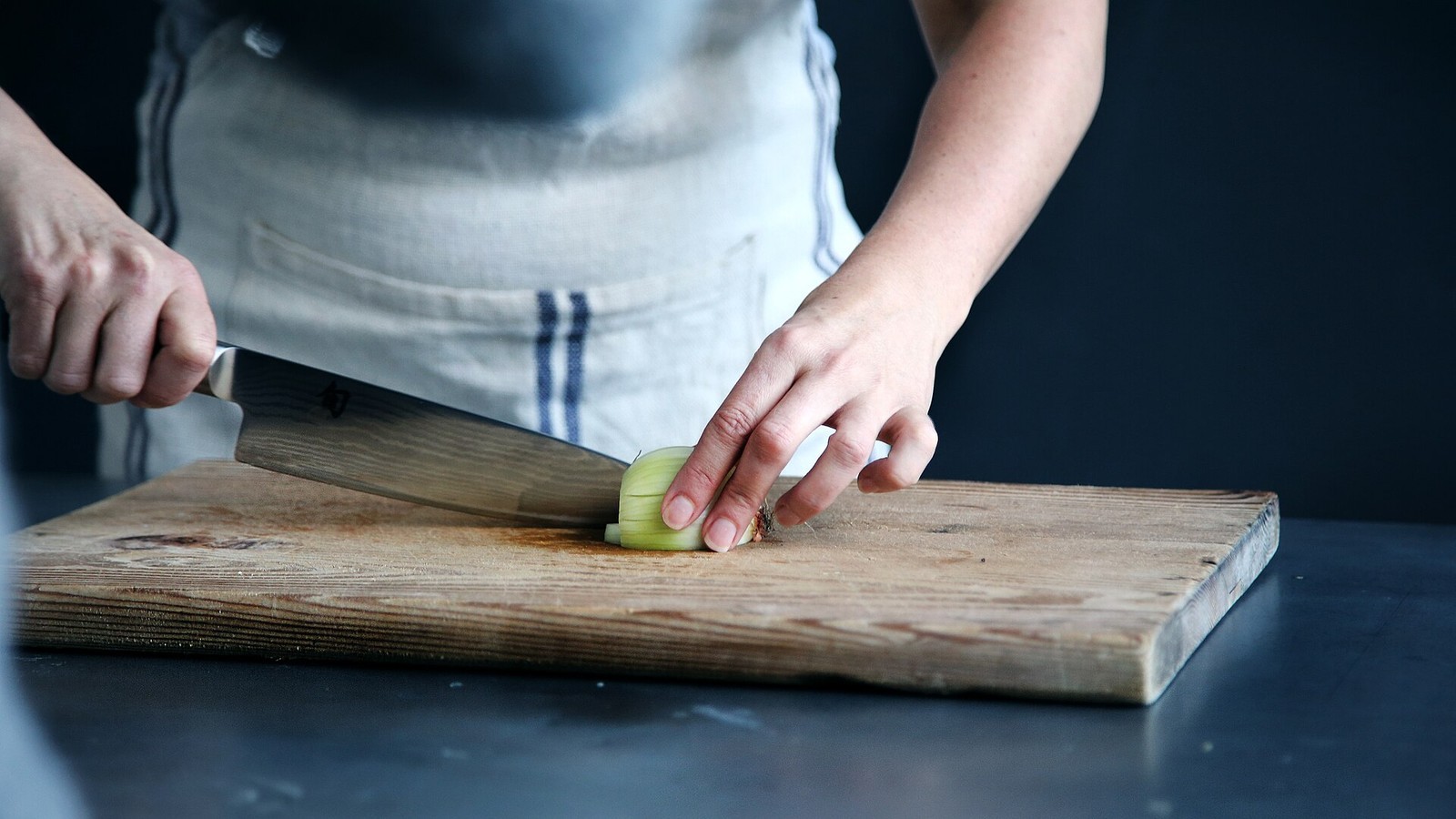
How to Standardize Korean Recipes Across Multiple Locations
Running K-food in several stores or as a franchise? Learn how standard recipes, sauce bases and simple checklists keep every location tasting the same.
Read →
K-Food Menu Costing: How to Keep Food Cost Under Control
Imported ingredients can push food cost up. Learn how to cost a Korean menu, reduce waste and set prices that protect your margin.
Read →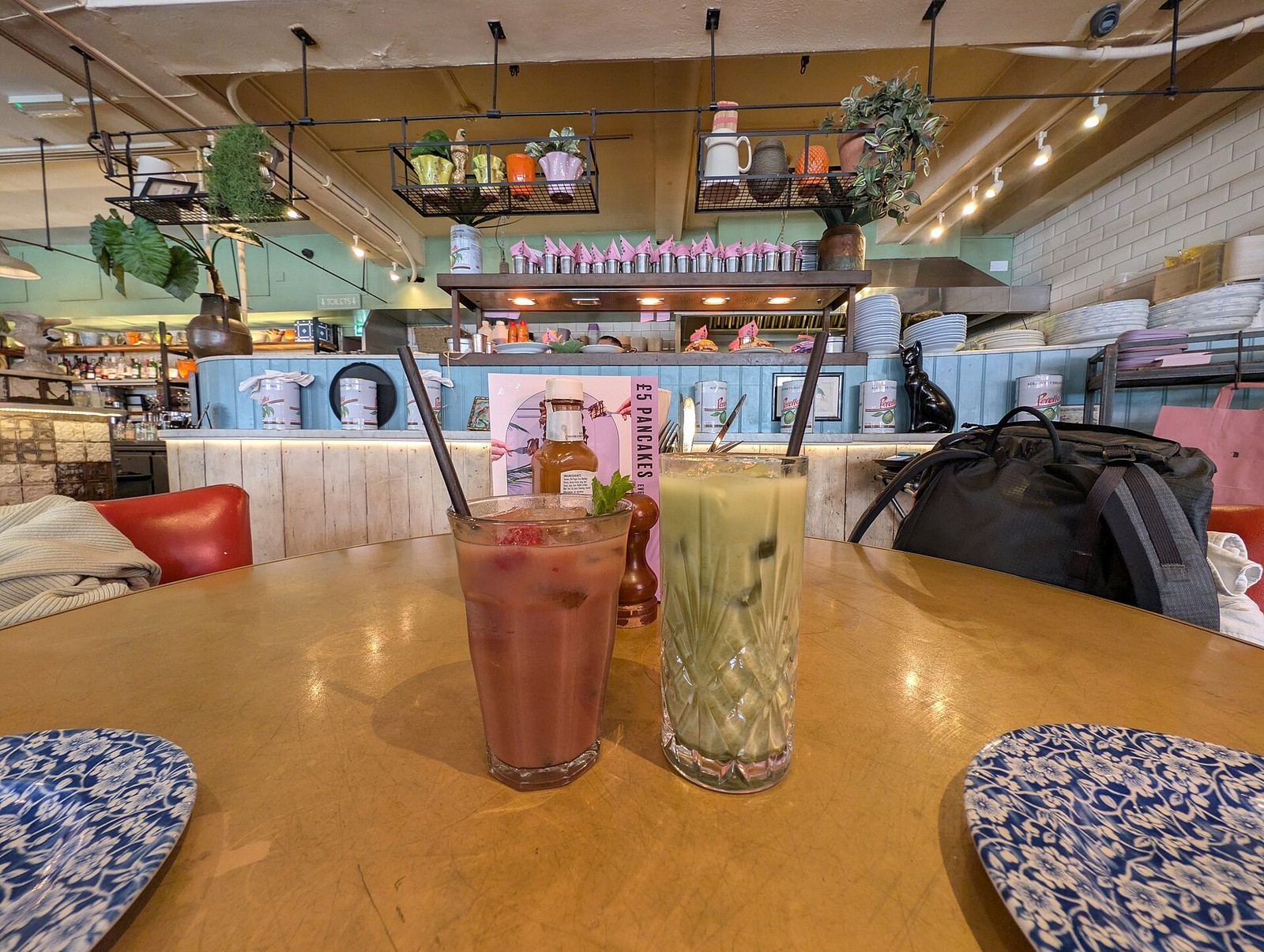
Korean Café Drinks: Fruit Ades, Smoothies and Lattes from One Base
Korean cafés are known for colorful fruit drinks. Learn how one fruit base can produce ades, smoothies and lattes for a simple, high-margin drink menu.
Read →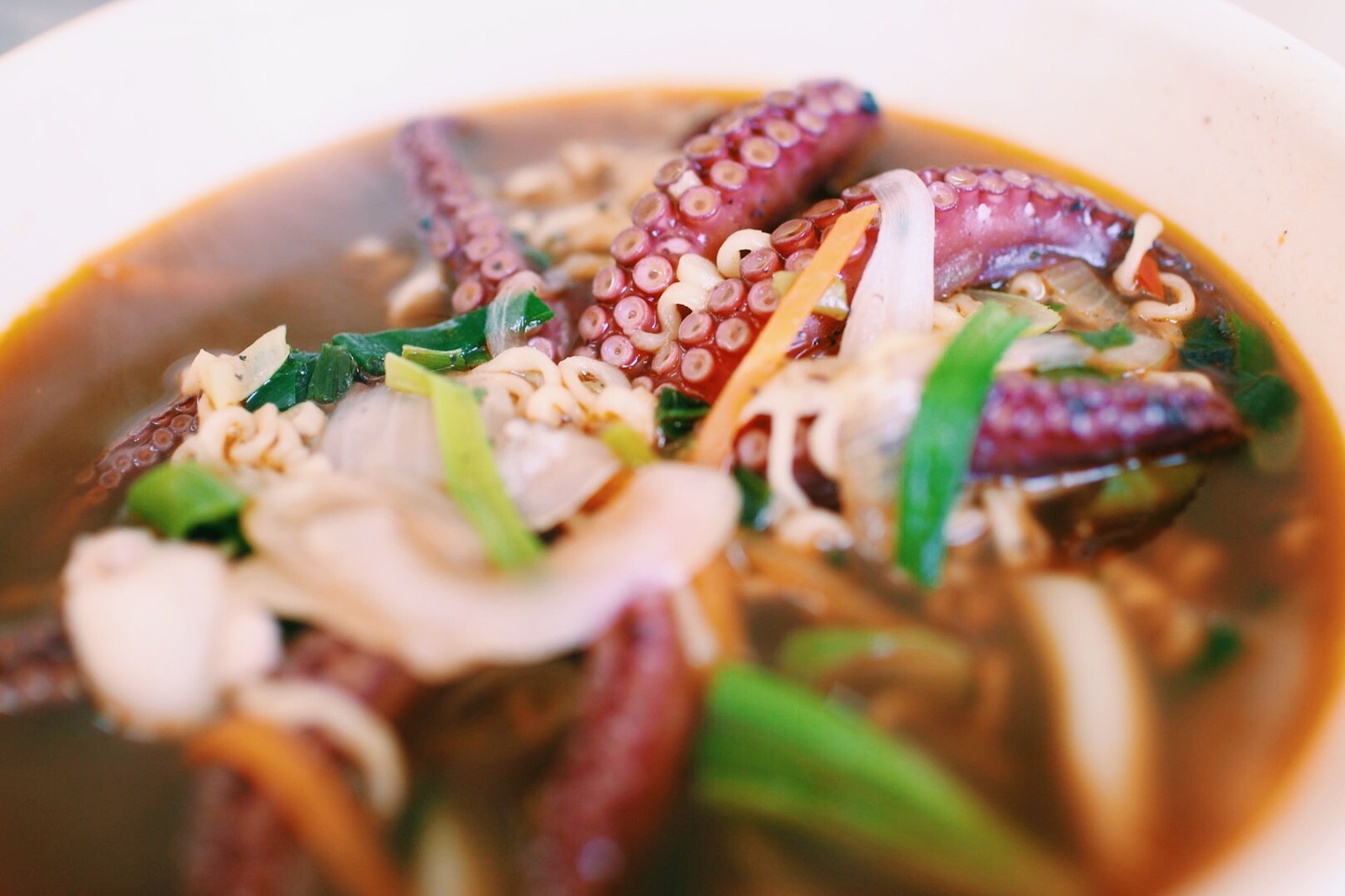
What Korea's PC Bang Menus Teach Gaming Cafés Worldwide
Korean PC bangs (gaming cafés) turned food into a major revenue stream. Here is what gaming venues and esports lounges abroad can learn from them.
Read →