한국어 Partner Inquiry
SEOUL · K-FOOD RECIPES & INGREDIENTS
K-Food, Ready to Serve

Korean flavor,
ready for your kitchen.

Recipe Program

Chef-built recipes.
Same taste, every time.

Ingredient Supply

The base of
Korean flavor.

RECIPES

Recipe Program

Korean menus, built for your kitchen

MORE
INGREDIENTS

Sauce Bases

Sauces, powders & drink bases

MORE
PARTNERS

Who We Serve

Restaurants · franchises · distributors

MORE
CONTACT

Inquiry

Request a tasting

MORE

What We Offer

Recipes and ingredients,
one Korean kitchen.

Most Korean dishes fail abroad not because of taste, but because they are hard to reproduce. We turn a chef's recipe into measured bases and step-by-step specs, so your team can cook it the same way every day.

01 — RECIPES

K-Food Recipe Program

Korean menus developed by our head chef and adapted to your market, kitchen equipment and staff skill level.

  • Stews, noodles, rice bowls & drinks
  • Gram-level recipe specs and plating guides
  • Localization for local taste and sourcing
  • Staff training on site or remotely
02 — INGREDIENTS

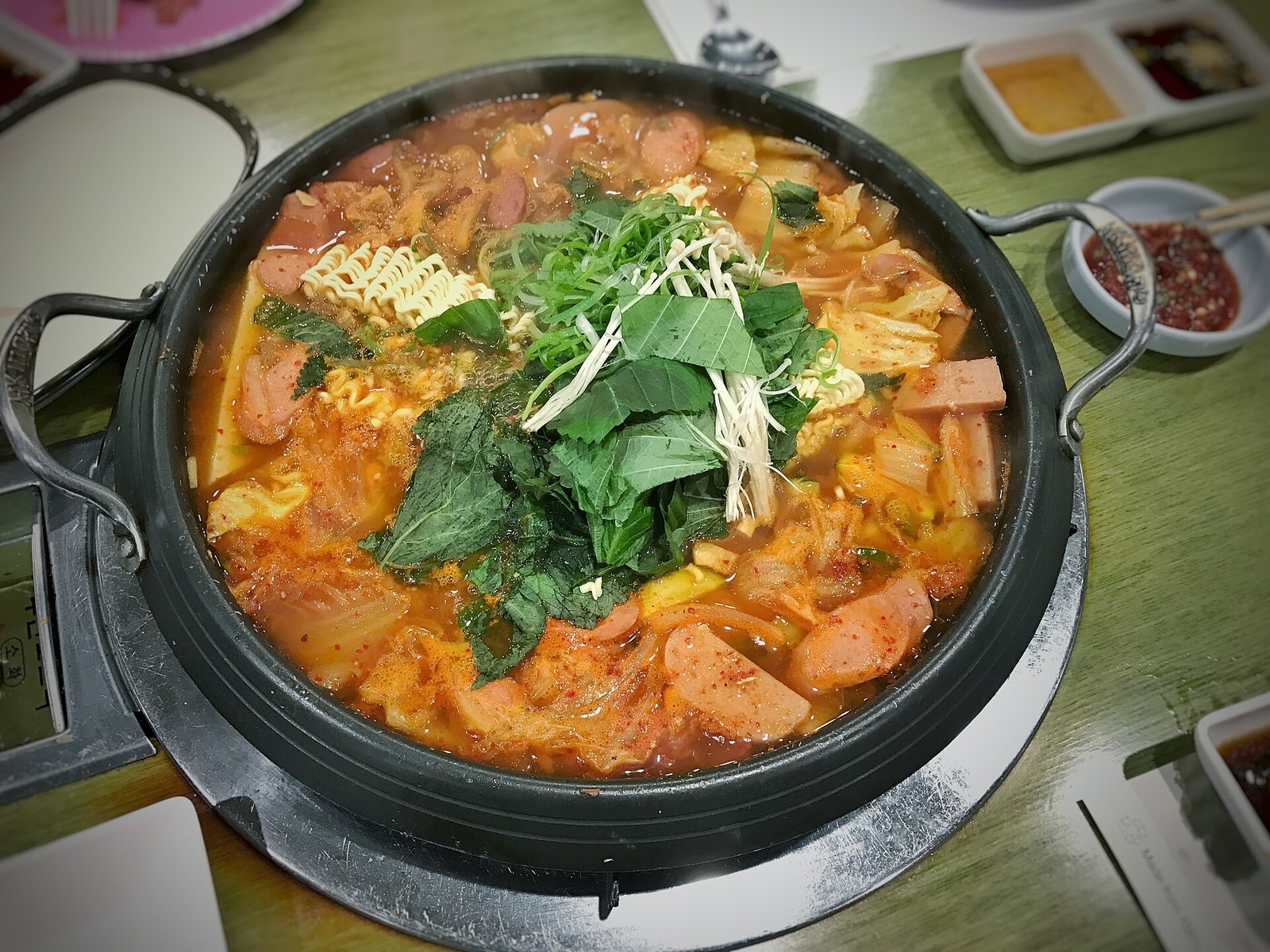
Korean Sauce Bases

Our own sauce, powder and beverage bases — the core of each recipe. Measure, mix and serve, without a Korean-trained cook.

  • Consistent flavor across every location
  • Fewer ingredients and less storage
  • One base, many menu items
  • Full specifications shared under NDA

Export availability, certifications, pricing and lead times vary by country and are confirmed during consultation.

Who We Serve

Built for kitchens
outside Korea.

From a single restaurant adding Korean dishes to a group rolling out a Korean concept, we fit the program to your scale.

Restaurants & Cafés

Add proven Korean dishes to your menu without hiring a Korean chef.

Franchise Groups

Standardized recipes and bases to keep every location consistent.

Distributors & Importers

Korean bases and recipe support to offer your restaurant clients.

Hotels & Food Service

Korean menus for buffets, cafeterias, pop-ups and events.

How It Works

From first tasting
to first service.

Four steps. Recipes and base specifications are shared after an NDA is signed.

01

Inquiry

Tell us about your market, kitchen and the menu you have in mind.

02

Tasting & Localization

We propose a sample menu and adjust it to local taste and sourcing.

03

Agreement & NDA

Recipe license, base supply terms and specifications are agreed.

04

Supply & Training

Bases are supplied and your team is trained to cook to spec.

Chef Lee Ye-jin
FOUNDER · HEAD CHEFChef Lee Ye-jin

The Chef

“A stable kitchen
is a stable business.”
  • New York · D.C.Head chef in Washington, D.C. and New York
  • FranchiseF&B director at a franchise headquarters — grew from 8 to 90 locations
  • NowCEO, Best Kitchen Lab · 15 years in food & beverage

Proven in Korea

30kitchensAdopted in the first 3 months in Korea
2patentsRegistered in Korea (AI auto-ordering · cooking aid)
45→27%Food-cost ratio in one partner store

As of August 2026. Results are from individual stores and may vary.

Partner Inquiry

Bring Korean flavor
to your kitchen.

Tell us where you are and what you would like to serve. We will reply with a proposed menu, supply options and next steps.

+82 10-9274-7703

Seoul, Korea · Mon–Fri, 9:00–18:00 KST

Privacy notice

We collect your name, company, email, country and message only to answer this inquiry and follow up on a possible partnership. Data is kept for up to 1 year, then deleted. You can ask us to delete it at any time.

BKL JOURNAL

K-Food Insights for Restaurants

Practical guides on Korean dishes, sauce bases, sourcing and kitchen operations — from our chef and consultants.

All articles →
How to Add Korean Food to Your Restaurant Menu Without a Korean Chef
Menu Planning

How to Add Korean Food to Your Restaurant Menu Without a Korean Chef

A practical guide for restaurants, cafés and franchises outside Korea that want to serve K-food: which dishes to start with, how to keep flavor consistent, and how sauce bases help.

Read →
What Is a Korean Sauce Base? Gochujang, Doenjang and Ganjang Explained
Ingredients

What Is a Korean Sauce Base? Gochujang, Doenjang and Ganjang Explained

Korean cooking is built on a few fermented pastes and sauces. Learn what gochujang, doenjang and ganjang are, and how ready-made Korean sauce bases simplify restaurant prep.

Read →
Korean Ramyeon Menu Ideas for Cafés, Lounges and Gaming Venues
Menu Planning

Korean Ramyeon Menu Ideas for Cafés, Lounges and Gaming Venues

Ramyeon is one of the easiest Korean dishes to add to a menu. Here are menu ideas — from cheese ramyeon to seafood jjamppong-style noodles — and tips for fast service.

Read →
Budae-jjigae (Korean Army Stew): Origin and How to Serve It
Korean Dishes

Budae-jjigae (Korean Army Stew): Origin and How to Serve It

Budae-jjigae is a hearty Korean stew with ham, sausage, noodles and a spicy broth. Learn its story and how restaurants can serve it consistently.

Read →
Jjamppong: A Restaurant Guide to Korea's Spicy Seafood Noodle Soup
Korean Dishes

Jjamppong: A Restaurant Guide to Korea's Spicy Seafood Noodle Soup

Jjamppong is a spicy, smoky seafood noodle soup from Korean-Chinese cuisine. Here is how to build it for a restaurant kitchen with consistent results.

Read →
Sourcing Korean Food Ingredients for Restaurants Abroad: A Buyer's Checklist
Sourcing

Sourcing Korean Food Ingredients for Restaurants Abroad: A Buyer's Checklist

Importing Korean sauces and ingredients for a restaurant or distribution business? Use this checklist covering suppliers, shelf life, labeling, MOQ and logistics.

Read →
KOREA국내 사이트 Partner
Inquiry