What Is a Korean Sauce Base? Gochujang, Doenjang and Ganjang Explained
Korean cooking is built on a few fermented pastes and sauces. Learn what gochujang, doenjang and ganjang are, and how ready-made Korean sauce bases simplify restaurant prep.
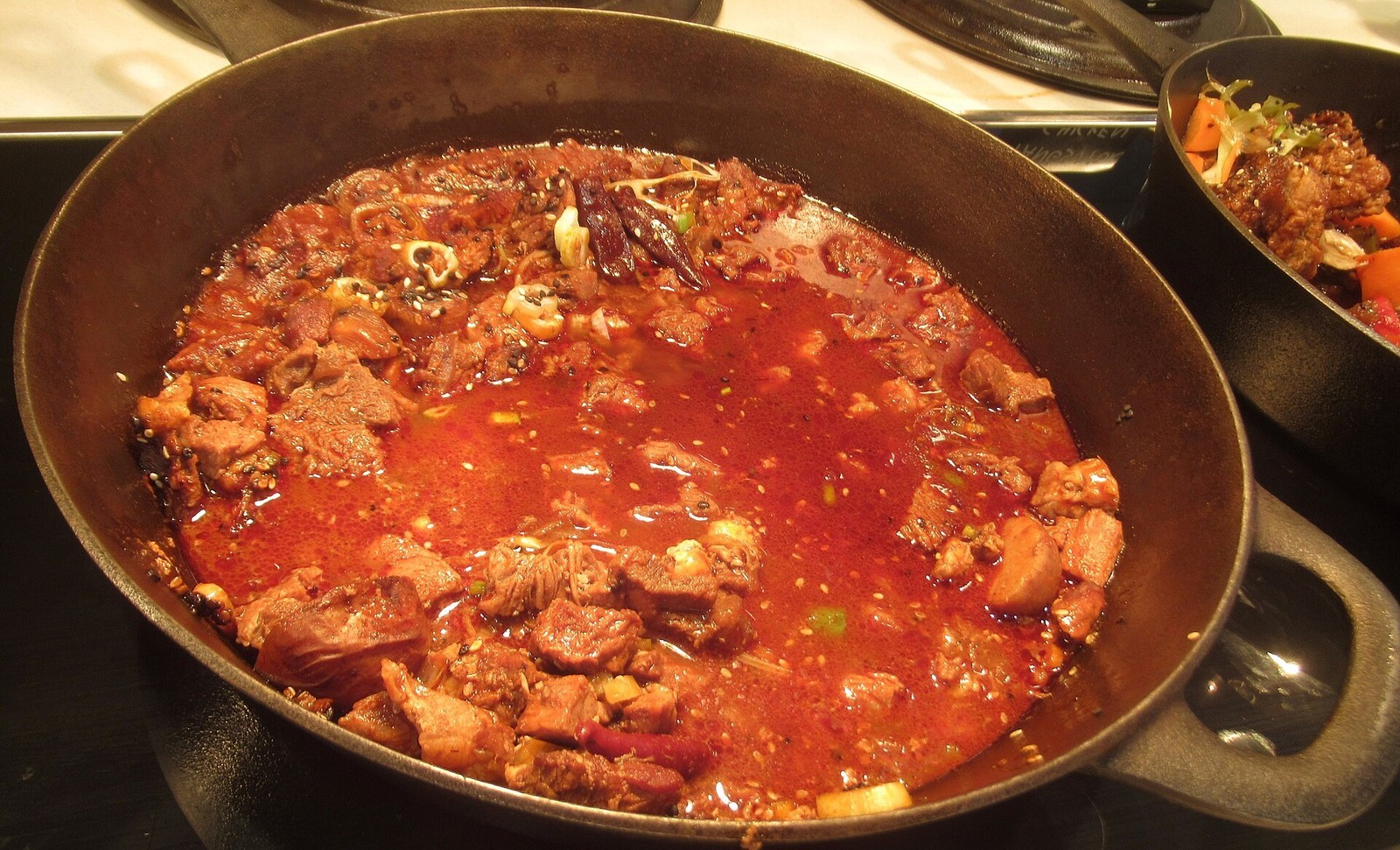
주제 이해를 위한 참고 사진 · CNEcija12345 · Wikimedia Commons · CC BY-SA 4.0
Behind most Korean dishes are three traditional seasonings, often called jang. Understanding them is the fastest way to understand Korean flavor.
Gochujang (red chili paste)
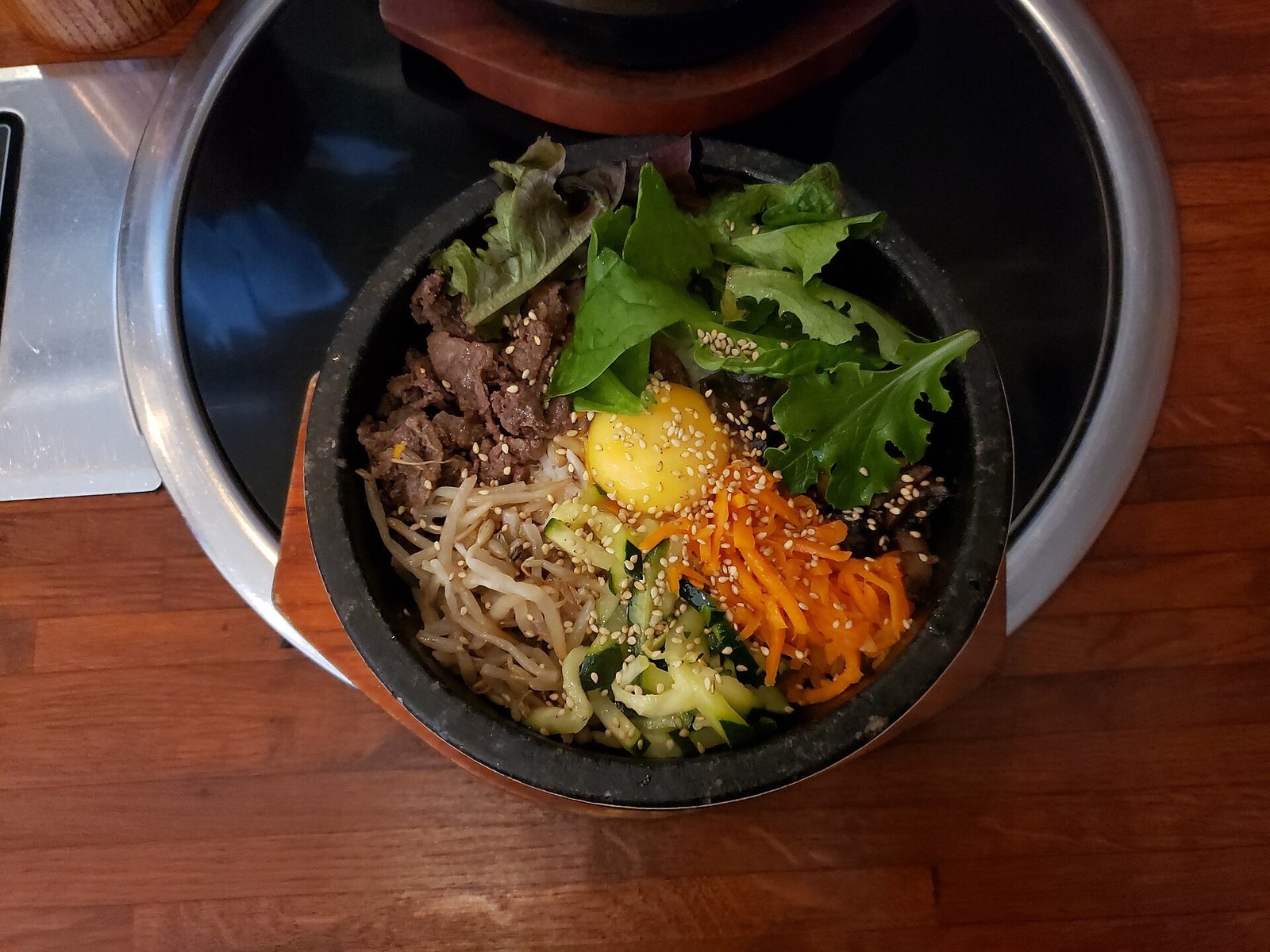
A fermented paste of chili powder, glutinous rice and soybeans. Sweet, spicy and savory, it is the backbone of tteokbokki, bibimbap sauce and many marinades.
Doenjang (soybean paste)
A thick fermented soybean paste with deep, earthy flavor, used in stews such as doenjang-jjigae and in dipping sauces.
Ganjang (soy sauce)
Korean soy sauce comes in different styles for soups and for seasoning. It is the base of bulgogi marinade and soy-garlic chicken glaze.
From seasonings to a ready sauce base
A sauce base combines these seasonings with aromatics, stock and sweetness in fixed ratios, so a kitchen gets the finished flavor in one step. For restaurants outside Korea, this removes the need to source and balance many ingredients.
What to check when buying
- Storage temperature and shelf life
- Portion yield per pack
- Allergen information (soy and wheat are common)
- Import labeling requirements in your country
Best Kitchen Lab's sauce bases are developed by chef Lee Ye-jin and designed so one base can produce several menu items.
FAQ
Is gochujang very spicy?
It ranges from mild to hot depending on the product. It is also sweet and savory, not only spicy.
Can one base make several dishes?
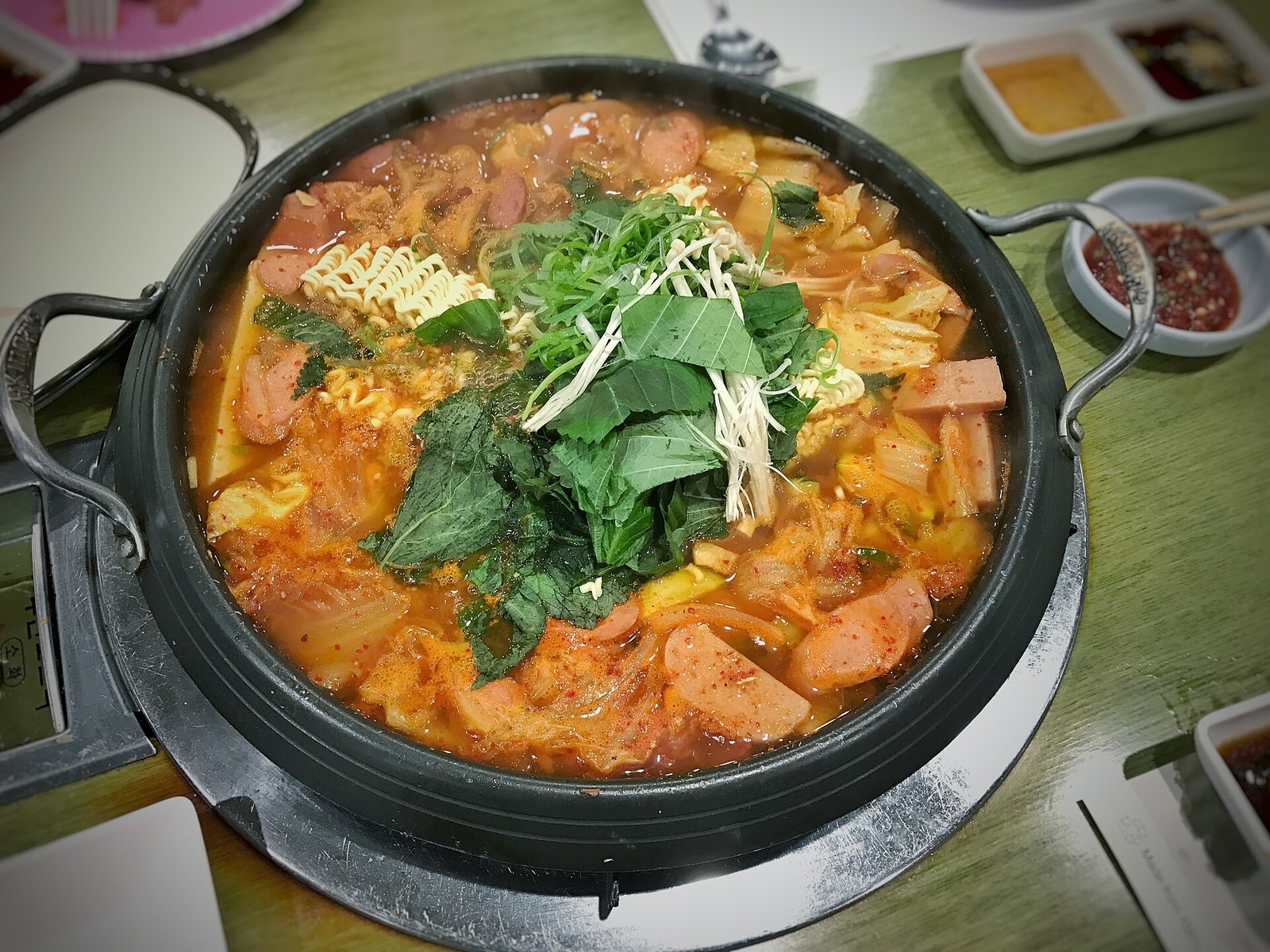
Yes. A spicy broth base, for example, can become army stew, jjamppong or kimchi stew with different toppings.
Bring Korean food to your menu
Tell us about your business and market — we will reply within two business days.