How to Add Korean Food to Your Restaurant Menu Without a Korean Chef
A practical guide for restaurants, cafés and franchises outside Korea that want to serve K-food: which dishes to start with, how to keep flavor consistent, and how sauce bases help.
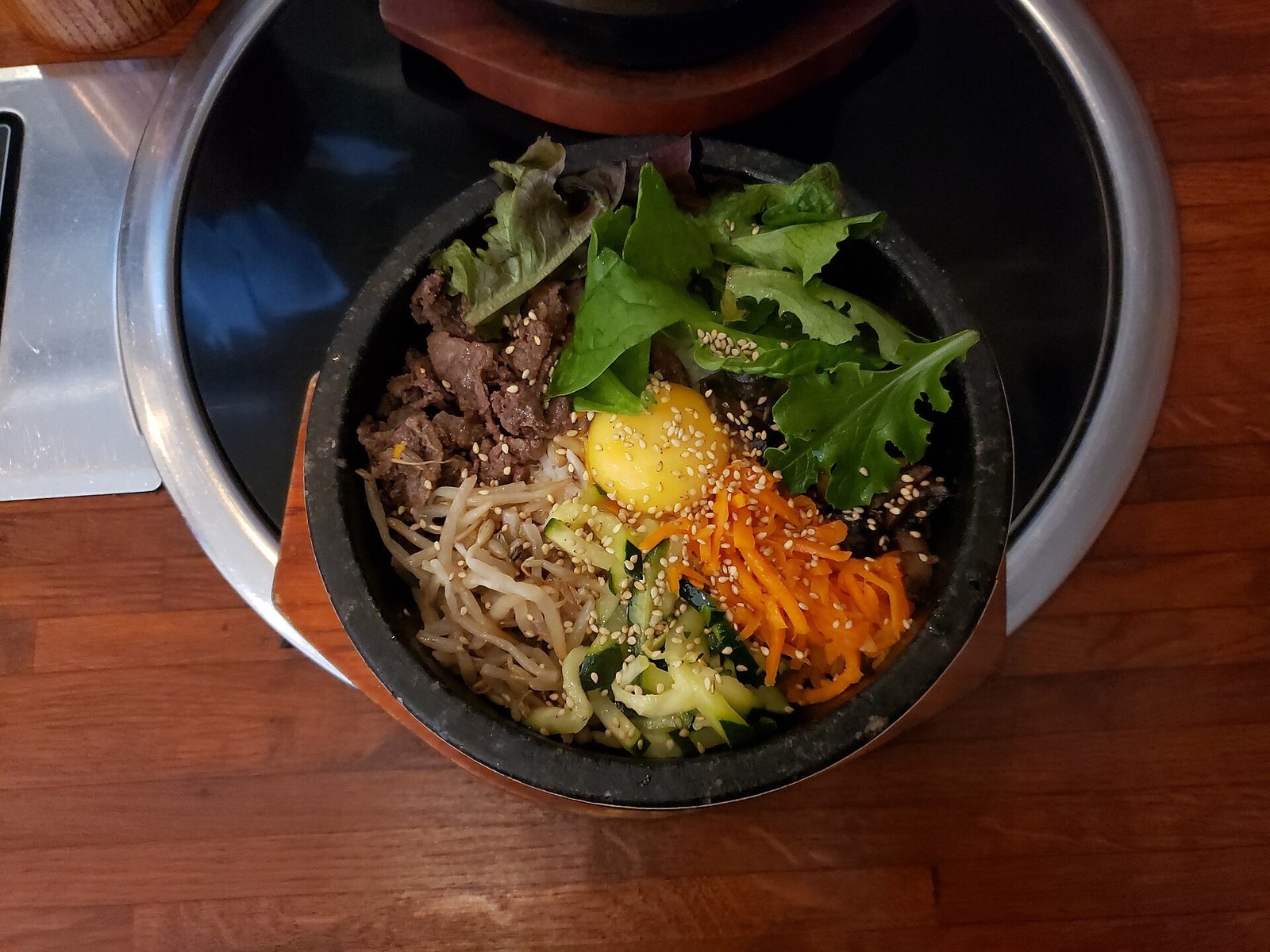
주제 이해를 위한 참고 사진 · Andy Li · Wikimedia Commons · CC0
Korean food has moved from niche to mainstream in many markets. Diners now look for ramyeon, Korean fried chicken and tteokbokki on everyday menus. The challenge for most operators is simple: they do not have a Korean-trained cook.
Start with dishes that travel well
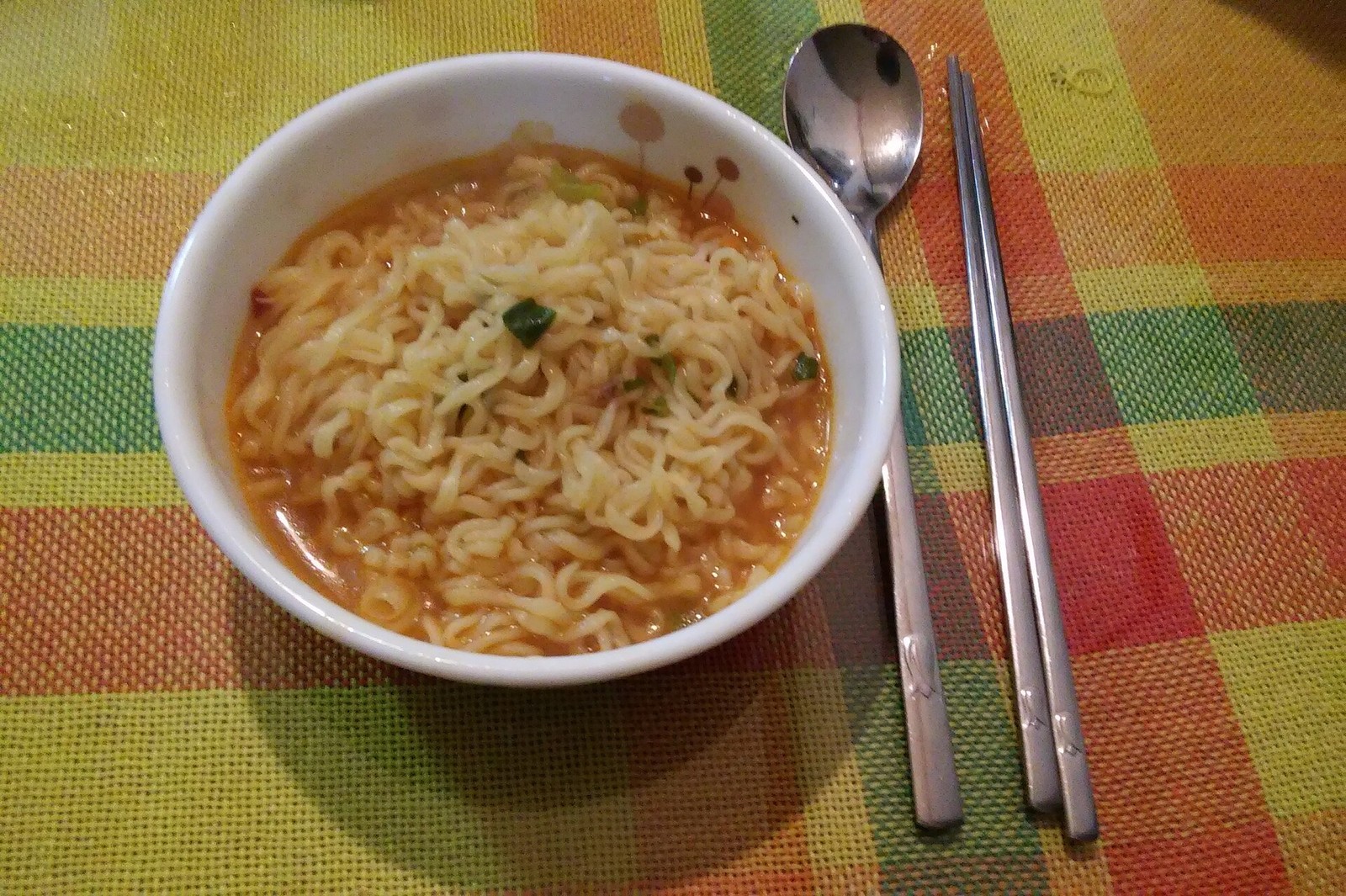
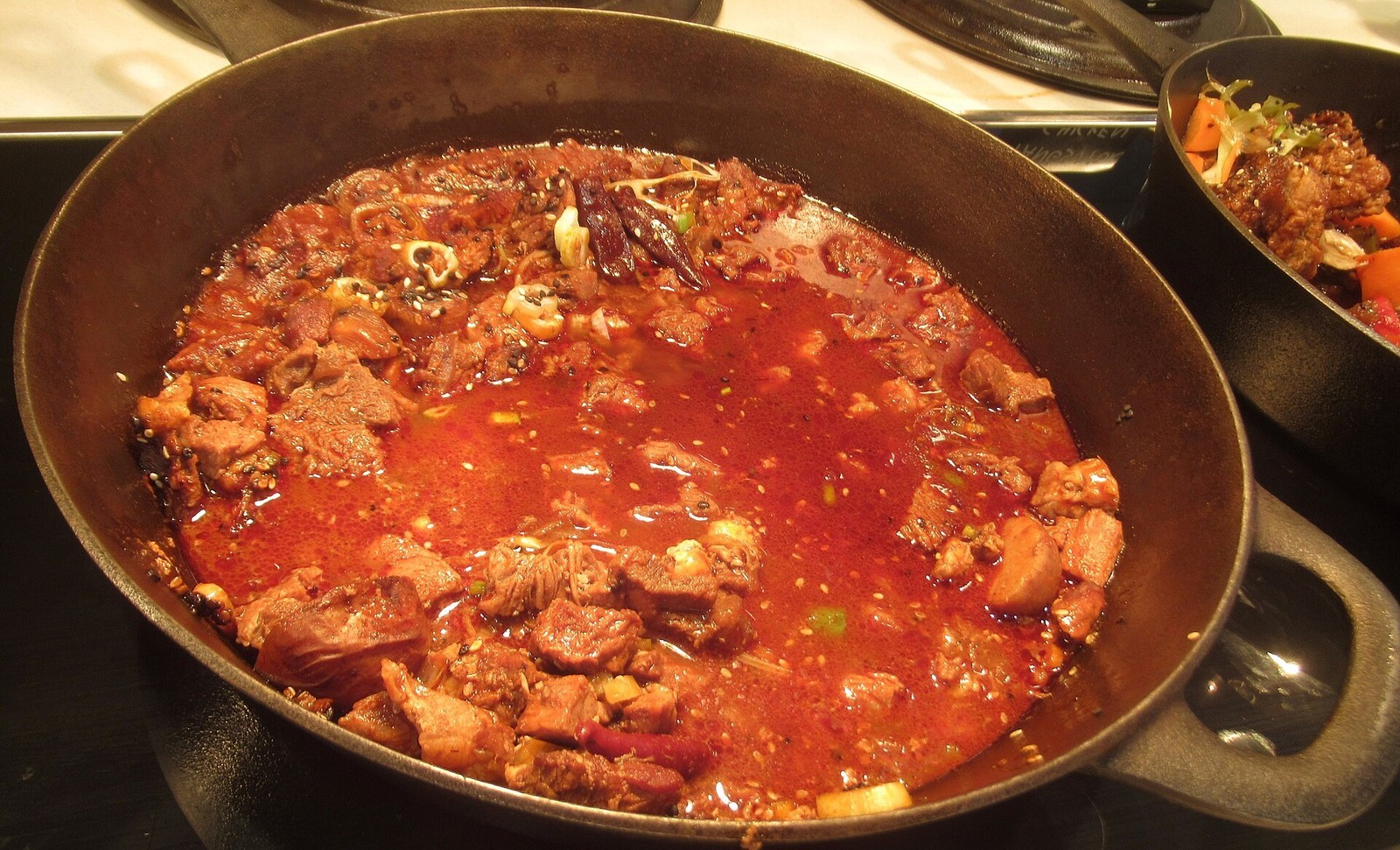
Begin with a short list of dishes that are popular, easy to batch and forgiving in a busy kitchen: Korean fried chicken, ramyeon, tteokbokki, kimchi stew and bulgogi rice bowls. These cover snacks, soups and mains.
Let the base carry the flavor
Most of a Korean dish's character comes from its sauce or broth base. When that base is made in advance by a chef and portioned, your team only needs to add protein, vegetables and noodles. The result tastes the same in every shift.
Write recipes in grams, not "a spoonful"
Standard recipes with gram weights, cooking times and plating photos remove guesswork and make food cost predictable.
Test before you launch
Run a tasting with your staff and a few regular guests. Adjust spice levels for your market — offering mild, medium and hot is common.
Best Kitchen Lab supplies chef-built Korean recipes and sauce bases to restaurants, franchises and distributors outside Korea, along with recipe cards and training.
FAQ
Which Korean dish should I add first?
Korean fried chicken or ramyeon are common first choices because they are familiar to guests and simple to execute.
Do I need special equipment?
Most dishes can be made with a standard fryer, stockpot and stove. Specific needs depend on your menu.
Bring Korean food to your menu
Tell us about your business and market — we will reply within two business days.