K-Food Menu Costing: How to Keep Food Cost Under Control
Imported ingredients can push food cost up. Learn how to cost a Korean menu, reduce waste and set prices that protect your margin.

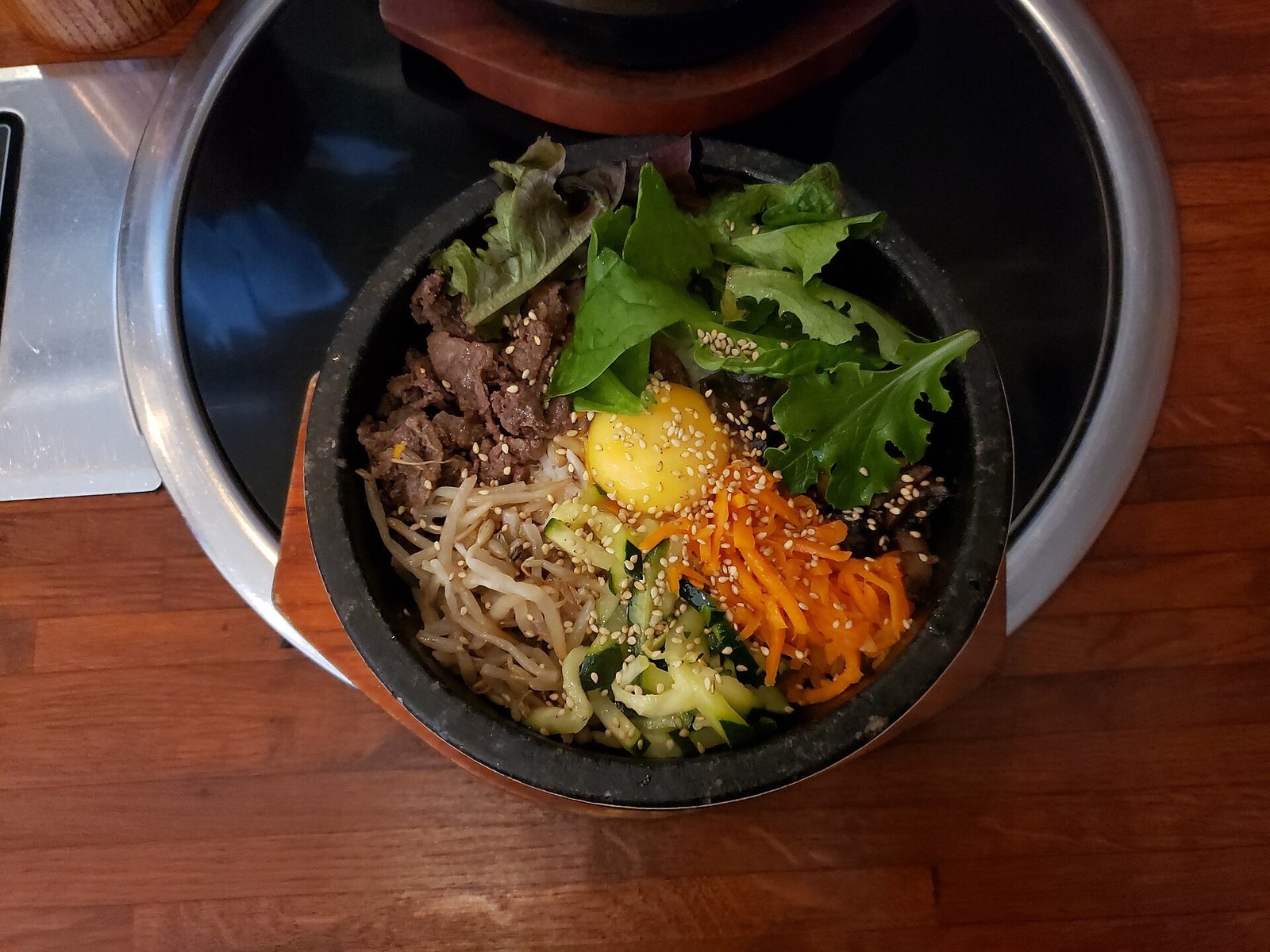
주제 이해를 위한 참고 사진 · Jesus Kiteque jesuskiteque · Wikimedia Commons · CC0
Imported Korean ingredients often cost more than local staples, so accurate costing matters even more for a K-food menu.
Cost each portion
List every ingredient in grams, multiply by unit cost and add packaging. That is your plate cost. Divide by the selling price to get the food-cost percentage.
Share ingredients across dishes
When one sauce base serves several dishes, you buy fewer products, carry less stock and waste less.
Order from sales data
Multiply recipe quantities by items sold to know what you actually used, then order to match. Best Kitchen Lab holds a Korean patent for AI-based, recipe-driven automatic ordering and food-cost calculation (No. 10-3019574).
Review prices regularly
Exchange rates and freight change. Review plate costs monthly and adjust portions, combos or prices.
FAQ
What is a healthy food-cost percentage?
It varies by concept and market. Track it per dish rather than relying on a single average.
How do sauce bases affect cost?
They fix the amount used per portion, which makes cost predictable and reduces waste.
Bring Korean food to your menu
Tell us about your business and market — we will reply within two business days.